As an Amazon Associate, we earn from qualifying purchases. Some links on this site are affiliate links at no extra cost to you. Our recommendations are based on thorough research and editorial judgment.


5 Best Ginkgo Trees for Indoor Growing – Expert Tips & Care Guide

For indoor ginkgo growing, you'll find success with either the Ginkgo Biloba Starter Set's compact 12-18 inch saplings or the Live Plant Seedling in a quart pot. Both options adapt well to indoor conditions and need bright, direct sunlight. Choose well-draining sandy soil and maintain consistent moisture without overwatering. While all five varieties can grow indoors, these two offer the best size control and care management for indoor environments. The following guide explores essential care techniques for long-term success.
Key Takeaways
- Ginkgo Biloba Live Plant Seedling offers the best indoor growing experience for beginners, requiring bright sunlight and well-draining sandy soil.
- The Ginkgo Biloba Starter Set provides two manageable 12-18 inch saplings perfect for indoor cultivation in quart-sized pots.
- Brighter Blooms Ginkgo Tree, though larger, can thrive indoors with proper light exposure and consistent watering 2-3 times weekly.
- Ginkgo Biloba Tree Seeds allow full control over growth from the start, ideal for indoor bonsai cultivation with 7-14 day germination.
- One-year-old Ginkgo Biloba in Quart Pot adapts well to various indoor lighting conditions and provides attractive yellow foliage.
2 Trees Ginkgo Live Plants – 1qt. Pot Maidenhair Tree Ginkobiloba
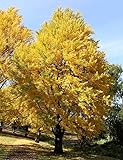
2 Trees Ginkgo Live Plants - 1qt. Pot Maidenhair Tree Ginkobiloba - I do not Ship to Alaska
- You're purchasing 2 Ginkgo trees, each measuring 12-18" in height and potted in 1-quart containers. If you're intrigued by trees with uniquely shaped leaves, a hint of almond flavor, and a lifespan of...
- Often referred to as the maidenhair tree due to its duck-foot or fan-shaped leaves, the Ginkgo stands alone in its phylum, representing a distinct plant category. While its numerous relatives once...
- Native to China, Ginkgo trees are adaptable and thrive in average to medium moisture soil and full sun. They prefer moist, sandy, well-drained soil but can tolerate a wide range of conditions...
You may be interested

The Ginkgo biloba starter set, featuring two 12-18 inch saplings in quart-sized pots, offers novice gardeners a chance to grow one of Earth's most ancient and resilient trees. These maidenhair trees, known for their distinctive fan-shaped leaves, can live for thousands of years and adapt to various growing conditions.
You'll find these saplings thrive in both sunny outdoor spots and urban environments. They're remarkably tough – handling everything from air pollution to deer browsing without issue. While they'll eventually reach heights of 50-80 feet in outdoor settings, you can start them in their 1-quart containers to evaluate their growth and best placement.
Best For: Gardening enthusiasts and homeowners looking to add a low-maintenance, historically significant tree with excellent urban adaptability to their landscape.
Pros:
- Exceptionally hardy trees that tolerate various soil conditions, pollution, and weather extremes
- Long-lived species with minimal pest and disease concerns
- Perfect starter size for transplanting with established root systems in quart containers
Cons:
- Requires significant space planning due to eventual large mature size (50-80 feet tall)
- Slow initial growth rate of only 6-12 inches per year
- Not suitable for Alaska shipping and may have limitations in zones outside 3-8
Ginkgo Biloba Tree Seeds (5+ Count)
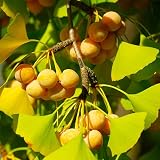
TomorrowSeeds - Ginkgo Biloba Tree Seeds - 5+ Count - for 2026 Planting Maidenhair Tree Fossil...
- Unique fan-shaped leaves that add a distinctive look to your landscape
- Beautiful golden-yellow foliage in the fall that creates a stunning visual display
- Tolerant of a wide range of soil types and urban conditions and known for its air-purifying qualities
Starting your indoor ginkgo journey with high-quality seeds sets you up for long-term success, especially if you're planning to nurture these living fossils as bonsai or container specimens. These non-GMO seeds will grow into stunning trees that can reach impressive heights outdoors but can be maintained at smaller sizes indoors with proper care.
You'll need to be patient, as germination takes 7-14 days under ideal conditions. Plant your seeds in loamy soil and provide moderate watering with either full sun or partial shade. While outdoor ginkgos can live for centuries, your indoor specimen will need consistent care and proper growing conditions to thrive in its container environment.
Best For: Gardening enthusiasts and plant collectors interested in growing a historic tree species with long-term commitment to nurturing slow-growing specimens either outdoors or as bonsai.
Pros:
- Non-GMO seeds from carefully sourced stock with high viability
- Extremely adaptable to various growing conditions (USDA zones 3-9)
- Long-living specimen that can be grown as both outdoor tree or indoor bonsai
Cons:
- Very slow growth rate with 20+ years until maturity
- Requires significant patience during germination period (7-14 days)
- Needs considerable space if growing outdoors (can reach 50-80 feet tall)
Ginkgo Biloba Tree Live Plant Seedling (Quart Pot)

6-12" Ginkgo Biloba Tree Live Plant Seedling in Quart Pot, Ginkgo Tree Plant, Live Gingko Trees...
- Zone 3-9.
- Well established root
- Shade tree
Ideal for novice indoor gardeners seeking a low-maintenance specimen tree, this Ginkgo Biloba seedling arrives in a space-efficient quart pot measuring 12 x 24 x 12 inches. While rated for USDA zones 3-9 outdoors, you can grow this versatile tree indoors with proper care.
You'll need to provide bright, direct sunlight and well-draining sandy soil to help your seedling thrive. Keep the soil moderately moist but not waterlogged. Recent customer feedback suggests checking the plant's moisture level upon arrival, as some specimens have arrived quite dry. Despite its small starter size, this Ginkgo will gradually develop into an attractive indoor specimen with regular care and ideal growing conditions.
Best For: Beginner gardeners and indoor plant enthusiasts looking for a low-maintenance specimen tree that can be grown both indoors and outdoors in a wide range of climate zones.
Pros:
- Versatile growing options with wide USDA zone compatibility (3-9)
- Compact starter size in quart pot makes it manageable for indoor growing
- Low maintenance requirements once established
Cons:
- Some customers report receiving dry, unhealthy-looking plants
- Limited customer reviews (only 3 ratings with 3.1/5 stars)
- Slow initial growth rate requires patience to develop into mature specimen
Ginkgo Biloba Tree Live Plant in Quart Pot

Plant enthusiasts seeking a low-maintenance indoor tree will appreciate this one-year-old Ginkgo Biloba specimen, which comes established in a quart-sized pot. You'll find this adaptable tree thrives in various lighting conditions, from full sun to partial shade, making it perfect for different spots in your home.
While it's marketed as an outdoor plant, you can successfully grow it indoors if you maintain moist soil conditions and provide adequate light. The tree rewards your care with stunning yellow foliage in fall, along with fragrant blooms. KERONI's USA-grown specimen offers you a hardy option that's well-suited for zones 3-8, giving you flexibility in placement whether you choose to keep it indoors or eventually transplant it outside.
Best For: Gardening enthusiasts and homeowners looking for a long-living, low-maintenance ornamental tree that can be started indoors and later transplanted outdoors.
Pros:
- Highly adaptable to different light conditions, from full sun to partial shade
- Low maintenance requirements make it ideal for both novice and experienced gardeners
- Provides seasonal interest with yellow fall foliage and fragrant blooms
Cons:
- Relatively slow-growing, requiring patience to reach mature size
- May require eventual transplanting outdoors as it grows larger
- Needs consistent soil moisture monitoring to maintain optimal growing conditions
Brighter Blooms Ginkgo Tree (3-4 Ft.)

Brighter Blooms - Ginkgo Tree, 3-4 ft. - No Shipping to AK, AZ, HI, OR
- Unique Leaves for Bright Yellow Fall Foliage Why Ginkgo Trees? Colorful, unique foliage, as well as fauna and drought tolerance, set the Ginkgo Tree apart, An unusual ornamental tree famous for its...
- Delivering Nature's Joy: From large, high-impact trees and reliable, versatile shrubs to tropical fruits, rare house and patio plants and much more, our varieties provide the garden solutions you need
- Ready For Gardeners of All Levels: No matter where you're at in your planting journey, what your yard looks like or what you're dreaming it will look like, we've got you covered
The Brighter Blooms Ginkgo Tree offers beginners three essential qualities that make it an excellent choice for first-time indoor tree growing: sturdy construction, moderate watering needs, and straightforward care requirements.
You'll need to provide full sun exposure and guarantee proper watering 2-3 times weekly. When your tree arrives, unpack it immediately and give it a thorough watering, as shipping can leave plants dehydrated. This 3-4 foot specimen thrives in clay soil and adapts well to USDA zone 8 conditions. With a high customer rating of 4.7 stars, you can feel confident about this yellow-leafed variety's performance as an indoor specimen.
Best For: First-time tree growers and gardeners looking for a low-maintenance, resilient outdoor tree that can thrive with basic care in full sun conditions.
Pros:
- High customer satisfaction rating (4.7/5 stars) indicates reliable performance
- Sturdy construction and moderate watering needs make it manageable for beginners
- Clear, straightforward care instructions with simple 2-3 times weekly watering schedule
Cons:
- Cannot be shipped to Arizona due to federal restrictions
- May arrive dry and stressed from shipping, requiring immediate attention
- Limited to USDA zone 8, restricting where it can be successfully grown
Factors to Consider When Choosing a Ginkgo Tree Indoor
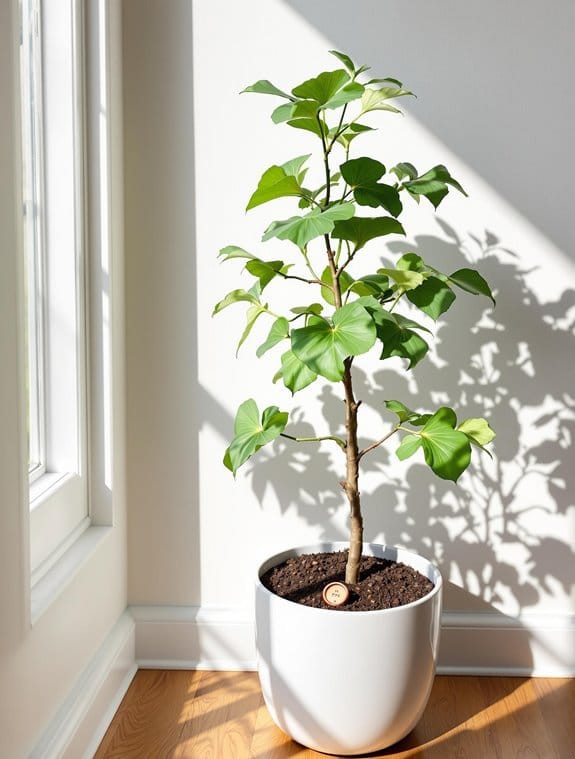
When choosing a ginkgo tree for indoor growing, you'll need to carefully evaluate several key factors that will affect your tree's health and growth potential. You should consider the light requirements and position, soil and watering needs, container sizing, growth rate control methods, and the indoor temperature range your home can maintain. These factors will determine not only your ginkgo's success but also how much maintenance you'll need to provide throughout the year.
Light Requirements and Position
Proper light exposure stands as one of the most essential factors for successfully growing ginkgo trees indoors. Your ginkgo will need at least 6 hours of direct sunlight daily to maintain healthy growth and vibrant foliage. While these resilient trees can handle partial shade, they won't reach their full capacity without adequate light.
To provide ideal conditions for your indoor ginkgo:
- Place your tree near a south-facing window for maximum sun exposure
- Rotate the pot every few weeks to promote even growth on all sides
- Monitor leaf color and growth patterns to verify light levels are sufficient
If you notice slow growth or lackluster leaves, your tree likely needs more light. Don't hesitate to relocate it to a brighter spot, as proper positioning will directly impact its long-term health and development.
Soil and Watering Needs
Successful indoor ginkgo cultivation depends heavily on providing appropriate soil conditions and consistent watering practices. Your indoor ginkgo will thrive in a well-draining potting mix that retains some moisture while preventing waterlogging. Choose a sandy soil blend that's rich in organic matter to mimic their natural growing conditions.
When it comes to watering, you'll want to maintain moderate moisture levels. Check the top inch of soil – if it's dry, it's time to water. Don't let your ginkgo's soil become completely dry, but also avoid overwatering. While these trees are adaptable to various soil conditions, they won't tolerate standing water. During winter months, reduce watering frequency as the tree's growth slows. Remember to verify your pot has adequate drainage holes to prevent root rot.
Container Size Selection
A carefully chosen container sets the foundation for your indoor ginkgo's long-term health and growth potential. Start your young ginkgo in a pot that's at least 1 quart in size to give roots enough space to develop properly.
You'll need to plan for your tree's future growth, as ginkgos can become quite tall. Choose a container with these key features:
- Multiple drainage holes to prevent water buildup
- Enough depth for sandy soil mixture
- Room for root expansion as the tree grows
- Sturdy material that can support larger soil volume
As your ginkgo matures, you'll want to upgrade to progressively larger containers. This allows the root system to develop naturally while maintaining proper moisture levels. Remember, a well-sized container helps you manage watering more effectively and supports healthy growth.
Growth Rate Control
Managing your indoor ginkgo's growth rate requires careful attention to several key factors. You'll need to monitor and adjust your tree's growing conditions to prevent it from outpacing your indoor space.
Start by controlling watering levels and ensuring proper drainage, as this directly impacts growth speed. Place your ginkgo where it'll receive adequate but not excessive light – either in full sun or partial shade to maintain healthy growth without encouraging rapid expansion. You can also use pruning as a key control method, trimming branches regularly to maintain your desired size and shape.
Keep a close eye on your indoor environment's temperature and humidity levels. While ginkgos can grow 6-12 inches yearly outdoors, you can slow this rate by adjusting these environmental factors to suit your space limitations.
Indoor Temperature Range
Beyond monitoring growth patterns, proper temperature control plays a major role in your indoor ginkgo's success. Your tree will thrive in temperatures between 60-75°F (15-24°C), which is comfortable for most homes. You'll want to maintain consistent temperatures to prevent stress on your plant.
To protect your ginkgo's health, keep these temperature management tips in mind:
- Avoid placing your tree near drafty windows or doors
- Keep it away from heating vents and air conditioning units
- Monitor room temperature regularly
- Maintain humidity levels between 40-60%
- Move your tree if you notice temperature fluctuations affecting its leaves
Frequently Asked Questions
How Long Does It Take for an Indoor Ginkgo Tree to Mature?
While you might think indoor ginkgo trees mature quickly, they actually take quite a while to reach full size. You'll need patience, as indoor ginkgo trees typically take 15-20 years to reach maturity. They grow slowly, usually gaining only 6-12 inches per year in ideal conditions. However, you can enjoy their distinctive fan-shaped leaves and compact beauty long before they're fully mature. With proper care, they'll reward your patience.
Can Indoor Ginkgo Trees Survive in Air-Conditioned Rooms?
Yes, indoor ginkgo trees can survive in air-conditioned rooms, but you'll need to take some precautions. Make sure your tree isn't directly in the path of cold air vents, as this can stress the plant. You'll want to maintain room temperatures between 65-75°F and provide adequate humidity, since AC can dry out the air. If you notice leaf drop, try using a humidity tray or running a humidifier nearby.
Do Indoor Ginkgo Trees Attract Any Specific Pests?
While indoor ginkgo trees aren't major pest magnets, they can attract a few common houseplant pests. You'll need to watch out for spider mites, which love dry conditions, and scale insects that might appear on the stems. Mealybugs can also be an occasional problem. To prevent these pests, you should regularly inspect your tree's leaves and stems, maintain proper humidity, and wipe the leaves clean monthly with a damp cloth.
Will Indoor Ginkgo Trees Produce the Same Medicinal Properties as Outdoor Ones?
You'll be pleased to know that indoor ginkgo trees can produce similar medicinal compounds to their outdoor counterparts, but with some important differences. A study at the University of Tokyo found that indoor-grown ginkgo leaves contained about 70-80% of the beneficial compounds found in outdoor trees. The key is providing enough light and proper care. You'll still get beneficial flavonoids and terpenes, but you might need to use slightly more leaves for the same effect.
How Often Should Indoor Ginkgo Trees Be Repotted?
You'll need to repot your indoor ginkgo tree every 2-3 years, or when you notice roots growing through drainage holes. For young trees, choose a pot that's 2 inches larger than the current one. Mature trees can stay in the same container longer if you trim the roots. The best time to repot is early spring before new growth begins. Always use well-draining potting soil and make sure the new pot has drainage holes.