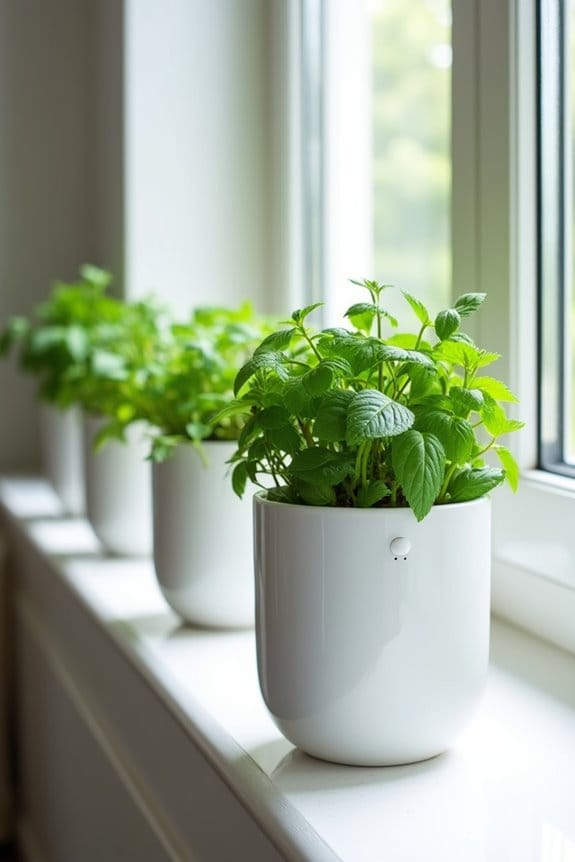
You'll help your indoor plants thrive by focusing on five key elements: proper lighting, consistent watering, ideal temperature, appropriate humidity, and well-draining soil. Place sun-loving plants near south-facing windows, while shade-tolerant varieties do well in north-facing spots. Water when the top inch of soil feels dry, maintain temperatures between 70-80°F, and keep humidity above 40%. With these basics mastered, you're ready to explore the finer points of indoor gardening success.
Key Takeaways
- Choose a location with appropriate light exposure, typically near south-facing windows for bright light or north-facing windows for low-light plants.
- Water consistently but avoid overwatering by checking soil moisture with your finger and waiting until the top inch feels dry.
- Maintain indoor temperatures between 70-80°F and humidity levels above 40% by grouping plants or using a humidifier.
- Use high-quality potting mix with good drainage properties and ensure all containers have proper drainage holes.
- Clean plant leaves regularly to maximize light absorption and monitor for pests while maintaining seasonal care adjustments.
Selecting the Perfect Location for Your Indoor Plants

You may be interested


When you're ready to start your indoor gardening journey, choosing the right location for your plants is absolutely essential for their survival. Understanding light exposure is key – south-facing windows provide bright light, while north-facing spots offer low light conditions for shade-loving varieties.
To keep your plants happy, avoid placing them near air conditioning vents or drafty areas. You'll want to pay attention to humidity levels too. If your home is dry, group plants together or use a humidifier to create a more suitable environment. Remember, every plant has different needs, so match their requirements to your space. Watch for seasonal light changes and be prepared to move your plants as needed. Don't forget about proper drainage holes in containers and consider using trays to protect your surfaces while maintaining moisture levels.
Understanding Light Requirements and Exposure
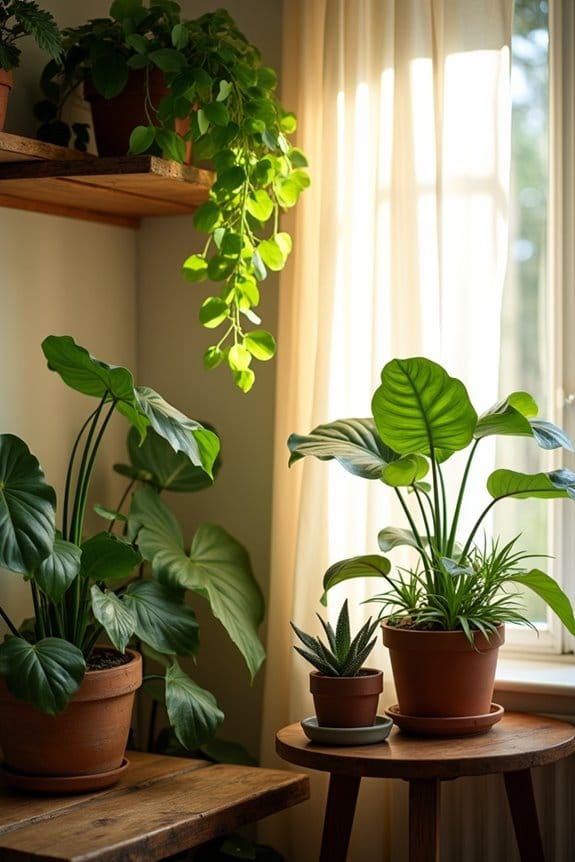
Now that you've found the perfect spot for your plants, let's focus on one of the most essential aspects of indoor gardening – understanding light requirements. Different plant varieties have specific light needs that you'll need to match with your home's lighting conditions.
Start by evaluating indoor light levels throughout your space. South-facing windows offer bright light perfect for sun-loving plants, while north-facing windows work well for low light varieties like ZZ plants and snake plants. These adaptable plants thrive with just a few hours of indirect light daily. During shorter winter days, you might need to supplement with grow lights to keep your plants healthy.
Remember that light conditions change with the seasons, so you'll want to adjust your plants' positions accordingly. This flexibility guarantees your indoor garden will flourish year-round.
Recommended Products

PREMIUM Foldable 1500W- LED lights specialty manufactured by Sinowell with Samsung LM301 diodes for FULL spectrum light, ideal for ALL STAGES of growth. Large 48x48 footprint for the best light spread and prenetration. Silent functions mean that no fans cause noise pollution in your home. 1500w output incentivizes low cost for the home and runs 50% less energy than “blurple” and other leading LEDs. UL, CE, ETL Certificated.

🌞 TRUE SUNLIKE SPECTRUM – The first LED grow light engineered to replicate a real CMH-style sunlight spectrum. Balanced White, Green, Dual Red (640nm + 660nm), Far Red, and optional UV deliver unmatched canopy penetration and plant performance.

Features Samsung LM301H EVO LEDs each rated at 3.14 µmol/J PPE, the highest efficiency of LM301B, LM301H, and Bridgelux 3030 chips.
Mastering the Art of Proper Watering

Proper watering stands as the cornerstone of successful indoor gardening, yet it's often the trickiest skill to master. To avoid overwatering and root rot, you'll need to develop a thoughtful approach to moisture management.
Start by checking your soil moisture levels the right way:
- Insert your finger 1-2 inches into the soil before deciding to water
- Allow the top inch of soil to dry between waterings
- Choose terracotta pots for better moisture control and soil aeration
- Ascertain all your pots have drainage holes to prevent water pooling
Remember that different indoor plants have unique watering needs. While succulents thrive when allowed to dry completely, tropical plants prefer consistently moist soil. By paying attention to these basic principles, you'll develop the confidence to provide your plants with just the right amount of water.
Recommended Products

Handmade Imperial Court Design: Finished in a traditional design depicting graceful figures amidst a serene palace garden in soothing blue and white. A timeless, versatile, way to add classic beauty to your space.

Satsuma Design: Meticulously hand-painted with intricate scenes showcasing vibrant landscapes, colorful flowers, and majestic peacocks. The rich color palette and delicate gold accents celebrate the artistry and heritage of the Far East.

SELF-WATERING: The TruDrop self-watering container system can go weeks without watering. The easy-to-read water-level indicator reduces watering frequency, and an ingeniously designed reservoir helps keep fertilizer contained.
Creating the Ideal Growing Environment
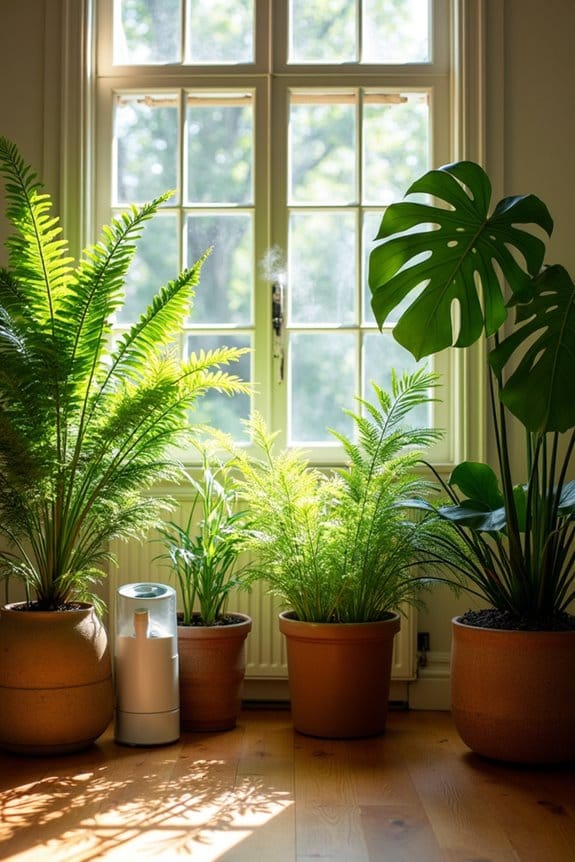
Beyond mastering watering techniques, successful indoor gardening hinges on creating living spaces that match your plants' natural habitat preferences. To achieve ideal growth, you'll need to maintain temperatures between 70-80°F during the day and slightly cooler at night.
Creating the perfect growing environment starts with positioning your plants where they'll receive bright indirect light. You'll want to monitor humidity levels and keep them above 40% by grouping plants together or using a humidifier. Don't forget to regularly inspect and clean your leaves to prevent dust buildup and spot potential houseplant pests early. Choose pots with proper drainage holes to prevent root problems. During seasonal changes, especially winter, you may need to relocate plants closer to windows or supplement with grow lights to maintain healthy growth conditions.
Essential Soil and Potting Techniques

Successful indoor plant growth starts with the right foundation: high-quality potting mix and proper planting techniques. Your indoor plants will thrive when you use well-draining soil designed specifically for container growing. Don't forget to check that your pots have drainage holes to prevent root rot.
Here's what you'll need for healthy root growth:
- A quality potting mix with added perlite for improved drainage
- Containers with proper drainage holes at the bottom
- Pre-moistened soil to eliminate air pockets
- Fresh potting mix for repotting every 1-2 years
Remember to avoid using garden soil, as it's too heavy for indoor plants. Instead, choose a lightweight potting mix that allows roots to breathe and grow. When you're repotting, gently loosen the old soil and remove any compacted areas before adding fresh mix.
Recommended Products
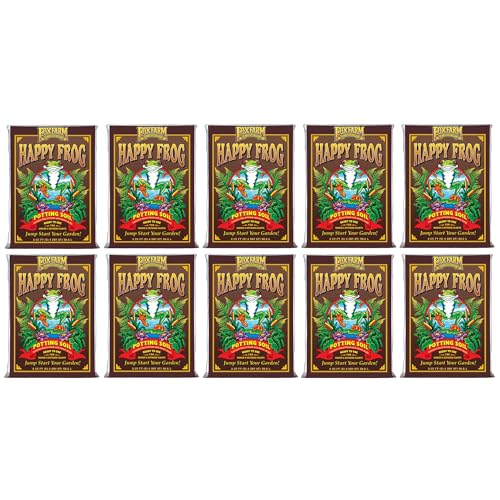
You will receive (10) 2-cubic foot bags of potting soil per purchase.
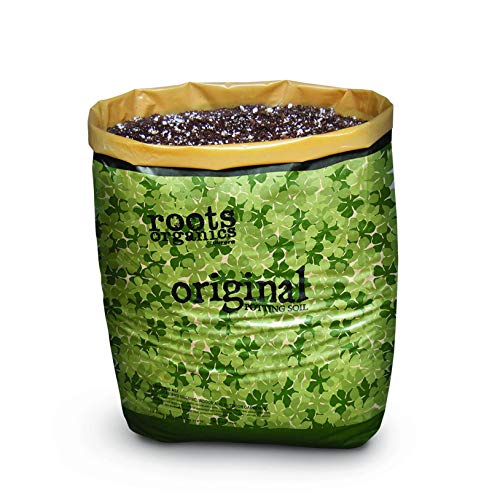
10 GALLON POTTING SOIL: 10 pack of 10 gallon (1.5 cu Ft) of Roots Organics Coco-Fiber Original Potting Soil for your hungry plants

You will receive (10) 1.5-cubic foot bags of potting soil per purchase.
Feeding Your Plants: Nutrition Basics
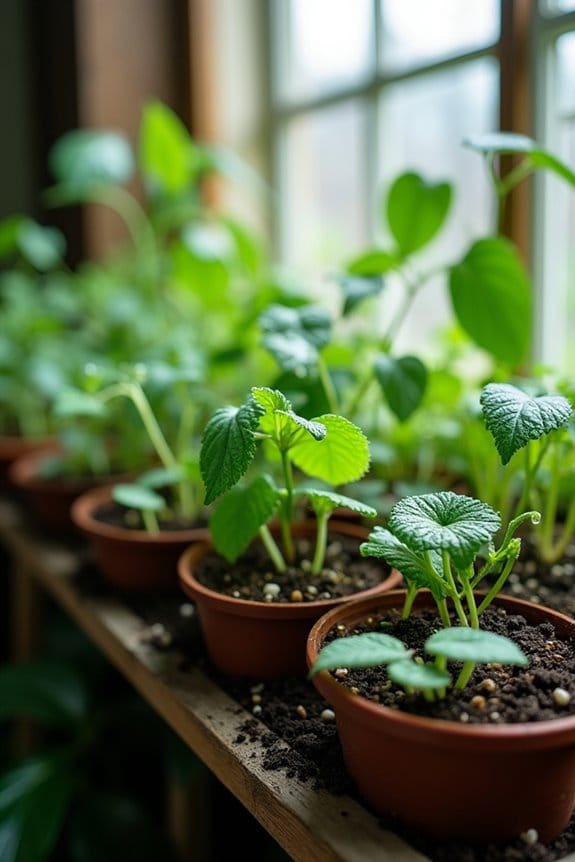
Just as your plants need the right soil to grow strong roots, they'll also need proper nourishment to thrive indoors. Regular fertilization is vital during the growing season, but you'll want to use diluted liquid fertilizers to avoid over-fertilization. This careful balance helps your plants absorb nutrients effectively.
Soil quality plays an important role in feeding your plants properly. Using well-draining potting soil guarantees better nutrient availability and prevents root problems. Remember to adjust your feeding schedule during dormant periods, typically in winter, when plants need less nutrition. Always follow the fertilizer package instructions for the right dosage. Too much can harm your plants, while too little won't provide the nutrients they need. Start with half-strength solutions and observe how your plants respond.
Common Signs of Plant Health Issues

Spotting signs of plant distress early can save your indoor garden from serious problems. You'll need to watch for key symptoms that indicate your plants aren't happy. When you notice yellowing leaves or browning leaf tips, it's often due to watering issues or low humidity in your space.
Here are the most common warning signs you should monitor:
- Drooping leaves that could mean either too much or too little water
- Stunted growth, which typically points to poor lighting or cramped roots
- Wilting leaves from unstable indoor conditions or temperature changes
- Visible pests like aphids or spider mites damaging the foliage
Remember to maintain stable indoor conditions and check your plants regularly. Quick identification of these issues lets you address problems before they become severe, keeping your indoor garden healthy and thriving.
Growing Success With Easy Starter Plants

Now that you're familiar with plant health issues, let's focus on plants that'll give you the best chance of success as a new indoor gardener. The key is choosing plants known for their resilience and easy-to-grow nature.
Snake plants and ZZ plants are perfect starters that thrive in low light conditions while needing little water. If you're looking for a trailing option, golden pothos shows incredible resilience and adapts well to various light conditions. For bright indirect light areas, try aloe vera or kalanchoe flapjack – they'll reward your minimal attention with steady growth. Want something unique? String of pearls makes an eye-catching choice that needs just occasional sun exposure. For spaces with higher humidity like bathrooms, Boston ferns will flourish with their lush foliage, though they need slightly more attention to moisture levels.
Seasonal Care and Maintenance Strategies
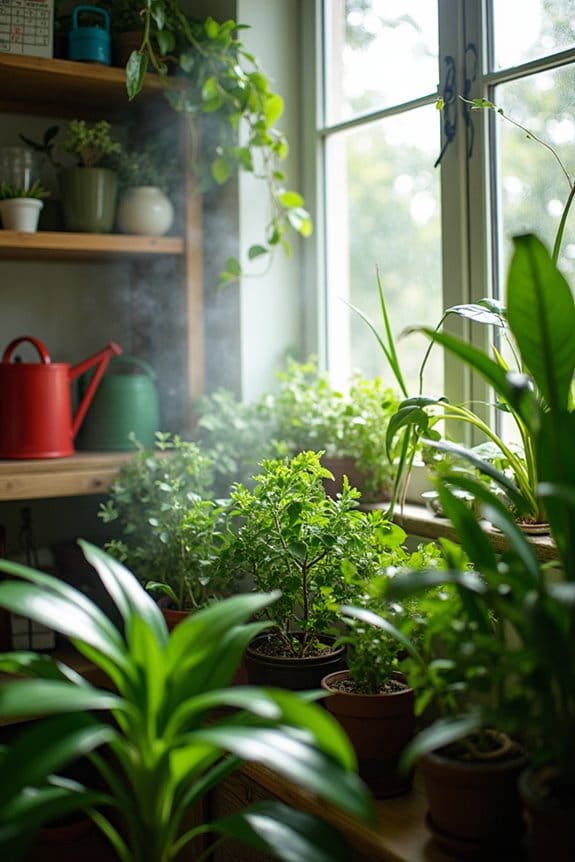
While your indoor plants might look like they need the same care year-round, they actually require different attention as the seasons change. Winter presents unique challenges for indoor plant health, especially in heated indoor environments. You'll need to adjust your seasonal care routine to help your plants thrive.
Here are the key winter adjustments you should make:
- Reduce your water needs by checking soil moisture before each watering session
- Monitor humidity levels and use a humidifier when indoor air gets too dry
- Remove dust from leaves regularly to maximize light absorption
- Add supplemental lighting for plants that need bright conditions
During winter months, your plants will likely slow their growth and may show yellowing leaves. Don't worry – this is natural. Focus on maintaining proper humidity, adjusting water frequency, and ensuring adequate light for ideal plant health.
Frequently Asked Questions
How Do I Make My Indoor Plants Thrive?
Follow proper watering schedules, match light requirements, maintain humidity levels, use well-draining soil, apply fertilizer during growth periods, monitor for pests, repot when needed, and choose plants suited to your environment's conditions.
What Plant Removes 78% of Airborne Mold?
The Peace Lily's your go-to for mold removal, removing 78% of airborne spores. You'll love its air purification benefits, and it's easy to maintain with indirect light and consistent soil moisture levels.
How to Make Indoor Plants Lush?
Like a symphony conductor, orchestrate your plant care by balancing light requirements, consistent watering schedules, proper humidity levels, rich soil quality, regular fertilization, and pest monitoring. You'll create a jungle-like oasis indoors.
How Do I Make My Indoor Garden Successful?
Match your plant care to light requirements, water when soil's dry, use well-draining pots, monitor humidity levels, check for pests regularly, and feed with appropriate fertilizer types during growing season for a thriving indoor garden.