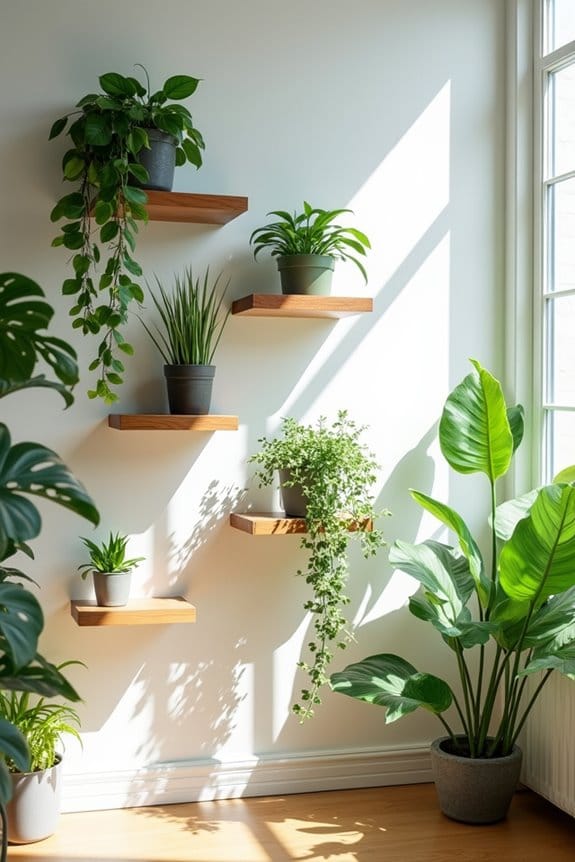
To design an eye-catching plant corner, start by selecting a spot with appropriate natural light for your chosen plants. Use height variation by placing tall statement pieces like Fiddle Leaf Figs in the back, medium-sized plants in the middle, and trailing varieties in front. Layer plants on stands or shelves at different levels, and group ones with similar care needs together. Consider adding grow lights for darker corners. Proper planning and placement will help your corner garden thrive and flourish into a stunning display.
Key Takeaways
- Select a corner with appropriate lighting conditions and assess available space to ensure plants will thrive and have room to grow.
- Create visual interest by using a large statement plant as an anchor, complemented by medium and smaller plants at varying heights.
- Group plants with similar care requirements together and incorporate different leaf shapes and textures for aesthetic appeal.
- Install plant shelves, stands, or hanging planters to maximize vertical space and create an engaging multi-level display.
- Monitor soil moisture carefully and maintain regular plant care routines, including cleaning leaves and adjusting positions for optimal light exposure.
Selecting the Perfect Corner Space for Your Plants

You may be interested
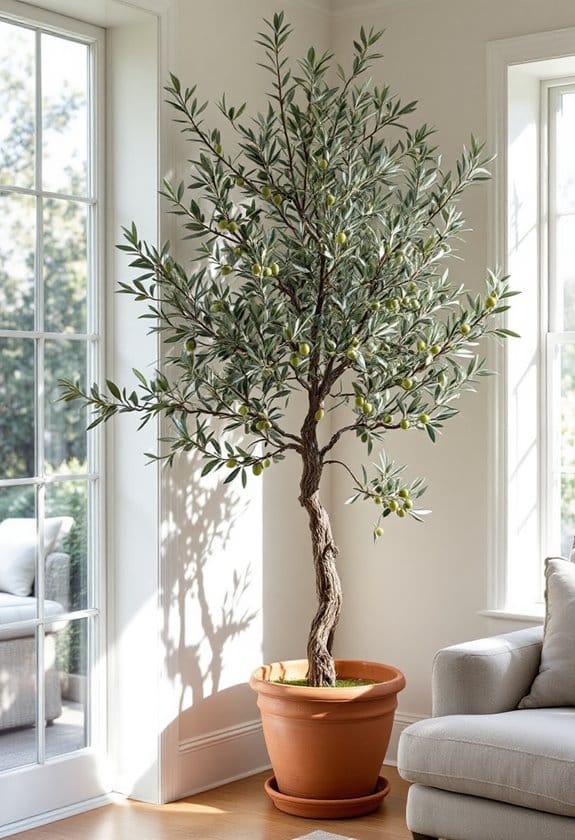
Looking to create your own plant oasis at home? The first step is finding the ideal corner space that'll help your indoor plants thrive. Start by evaluating the natural light available in different corners of your room – this will determine which plants can flourish there.
For corners with abundant sunlight near windows, you can showcase sun-loving plants. If you've got a darker corner, don't worry – plants like Philodendron adapt well to low-light conditions. When choosing your spot, consider how a large plant could serve as a statement piece. A Fiddle Leaf Fig, for example, can transform an empty corner into a stunning focal point.
Remember to assess the height and width of your chosen corner space. Make sure it complements your existing furniture and wall colors while providing enough room for your plants to grow comfortably.
Recommended Products

CREATE INSTANT PRIVACY & DEFINE YOUR SPACE: At 8 feet long and 42 inches tall, this extra large planter is expertly designed to function as a stylish living wall or privacy screen. Perfect for dividing large patios, lining walkways, or shielding your outdoor space, these large rectangular planters for outdoor plants create an elegant, natural barrier.

DIMENSIONS: 36"L x 24"W x 24"H- Please see our images for exact dimension details.

BUILT TO LAST A LIFETIME - Experience unrivaled durability with our heavy-duty 11-gauge Corten Steel Planter, proudly crafted in the USA. Unlike flimsy alternatives, these extra large planters outdoor are engineered to withstand the elements for decades, arriving fully welded and ready for your garden.
Essential Lighting Considerations for Corner Plant Displays
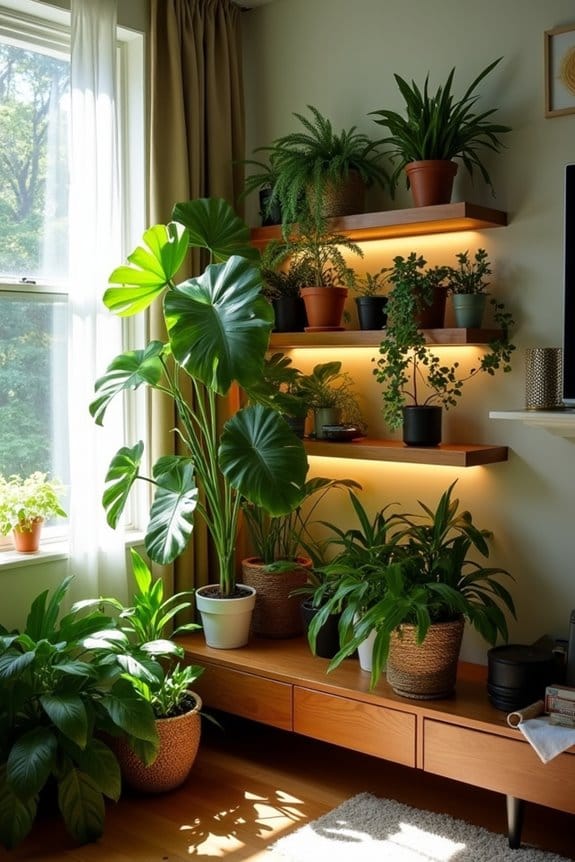
When it comes to designing your perfect plant corner, proper lighting makes all the difference between thriving plants and struggling ones. Understanding your space's natural light patterns throughout the day will help you create an environment where your indoor plants can flourish.
Here are three essential steps to optimize lighting in your plant corner:
- Observe sunlight patterns in your chosen corner for a full day to determine the intensity and duration of natural light
- Match each plant's lighting requirements to the available light conditions, placing sun-loving varieties closer to windows
- Install grow lights in dimmer areas to supplement natural light, ensuring all your plants receive adequate illumination
Don't forget to rotate your plants regularly and adjust their positions seasonally as light patterns change throughout the year.
Recommended Products

Features Samsung LM301H EVO LEDs each rated at 3.14 µmol/J PPE, the highest efficiency of LM301B, LM301H, and Bridgelux 3030 chips.

IP65 Water Resistant Rating: Features IP65 water resistant rating to protect the LED system from moisture and dust in grow environments

🌞 TRUE SUNLIKE SPECTRUM – The first LED grow light engineered to replicate a real CMH-style sunlight spectrum. Balanced White, Green, Dual Red (640nm + 660nm), Far Red, and optional UV deliver unmatched canopy penetration and plant performance.
Layering Techniques for Multi-Plant Corner Arrangements

Now that you've mastered the lighting basics for your plant corner, it's time to explore the art of layering your green companions. Start by choosing a striking focal point like a Fiddle Leaf Fig to anchor your display. This tall statement plant will create the perfect backdrop for your arrangement.
Next, implement smart layering techniques by positioning medium-sized plants like pothos or peace lilies in front of your focal point. You'll want to use a plant shelf or stands to create varying heights, which adds visual interest and depth to your corner. Don't forget to incorporate trailing plants at different levels to soften the overall look. When selecting your plants, make sure they all share similar care requirements for easier maintenance. This thoughtful approach to layering will transform your corner into a lush, multi-dimensional garden.
Recommended Products

HANDCRAFTED EXCELLENCE – Each Cosapots Mondo round planter is meticulously handmade with high-quality fiberglass and resin by skilled artisans under the guidance of Belgian architects.
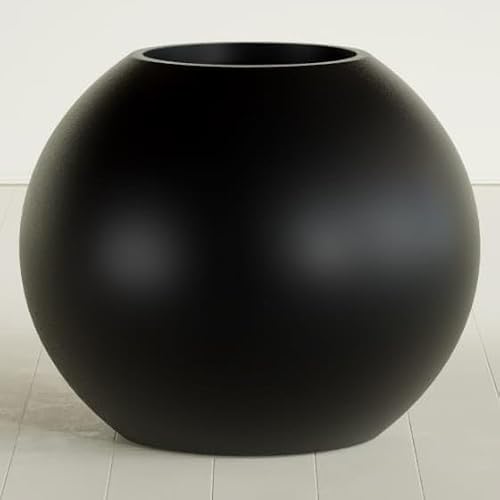
Plant Like the Pros - The Nala Globe Planter (36" x 36" x 31") is used by professional landscapers, architects, and interior designers in upscale residential and commercial projects for its sleek globe shape, lightweight design, and durable craftsmanship.

HANDCRAFTED EXCELLENCE – Each Cosapots Lupo round planter is meticulously handmade with high-quality fiberglass and resin by skilled artisans under the guidance of Belgian architects.
Choosing the Right Plant Combinations by Height and Texture
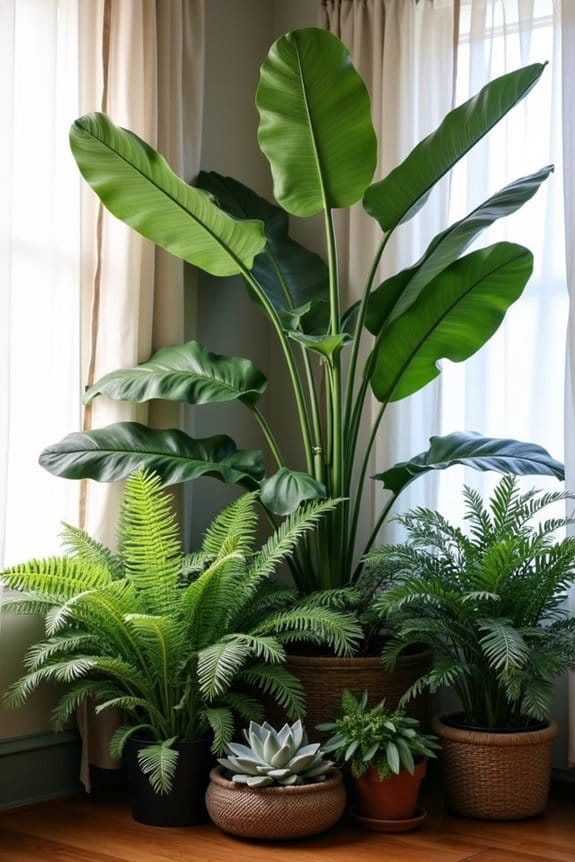
Creating a stunning plant corner depends on mastering the delicate balance of height and texture combinations. Your goal is to arrange plants in a way that draws the eye naturally through different levels while maintaining visual interest. Start with tall statement plants as your anchor pieces, then work your way down with medium plants and ground-level varieties.
The art of plant styling lies in layering heights and textures – from towering anchors to ground-level accents – creating natural visual flow.
For the most engaging display, follow these essential combination rules:
- Position a dramatic Fiddle Leaf Fig as your backdrop, with Snake Plants at mid-height to create depth
- Add contrasting leaf shapes by pairing broad-leafed Monstera with delicate Ferns
- Incorporate trailing Pothos at the base to soften shifts between heights
Remember to group plants with similar care needs together. This strategy guarantees both aesthetic appeal and practical maintenance, making your plant corner as functional as it is beautiful.
Recommended Products

Artificial Ficus Tree: The garden Ficus tree has natural twigs, branches, and a canopy. It is ideal for decorating indoor spaces for special occasions. The Ficus tree is designed to bring an upbeat charm with fluffy greenery and natural vibes.

HANDCRAFTED EXCELLENCE – Each Cosapots Semplito Grand rectangular planter is meticulously handmade with high-quality fiberglass and resin by skilled artisans under the guidance of Belgian architects.

Brand name: Superthrive
Planter Selection and Placement Strategies
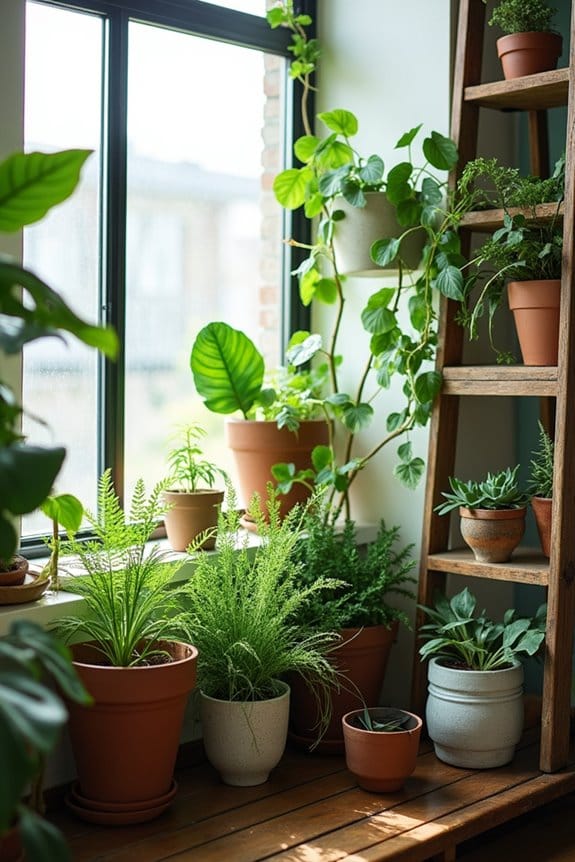
The perfect plant corner starts with strategic planter selection and thoughtful placement. When choosing containers for your house plants, square planters are your best friends for corner spaces – they'll maximize every inch while creating a polished look. Select medium-sized pots between 14 to 24 inches in diameter to give your plant babies room to thrive without overwhelming the space.
For a cohesive design, match your planters to your room's style. If you're working with a modern interior, sleek fiberglass containers work beautifully. For coastal vibes, opt for textured stoneware. Remember to arrange your planters in layers, placing larger containers at the back of the corner and smaller ones in front. This creates depth and allows each plant to receive adequate light while maintaining visual interest.
Recommended Products

TALL ARCHITECTURAL PLANTER DESIGNED TO MAKE A STATEMENT: Featuring clean, striking vertical lines, this tall planter is designed to elevate greenery and create a bold, modern presence in patios, entryways, terraces, balconies, and interior spaces. Its substantial form makes an impactful architectural statement while seamlessly complementing both residential and commercial environments.

DURABLE PLASTIC: Made from high-grade plastic, this planter is all-weather resistant to cracks, scratches, UV and fading; perfect for hot or cold climates ranging from -30 to +50 degrees so you can feel equally as comfortable using it outdoors or indoors

Set of 3 nesting tables, country scrolls design
Creating Visual Balance With Plant Stand Levels
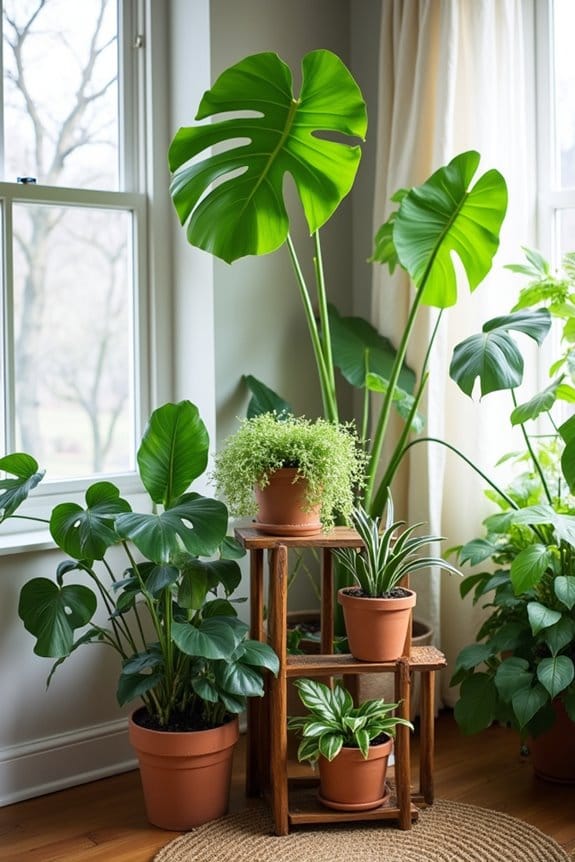
Once you've selected your ideal planters, elevating your plants to different heights will transform your corner into a dynamic green paradise. Creating visual balance with plant stands involves strategically arranging your greenery at various levels to draw the eye upward and add depth to your space.
Transform any corner into a living art display by elevating plants at varying heights, creating depth and visual intrigue.
- Position your statement plants, like fiddle leaf figs, on taller stands to serve as eye-catching focal points
- Place medium-sized plants at chest height to create a natural progression between levels
- Set smaller plants, such as pothos, on lower stands to establish a solid foundation
When selecting your plant stands, choose materials and colors that complement your existing decor. Mix different shapes and styles to add texture while maintaining harmony. This multi-level approach won't just showcase your plants—it'll make your room feel larger and more inviting.
Styling Your Corner With Complementary Decor Elements

While your plants serve as the stars of your corner display, thoughtfully chosen decor elements will elevate the space from simple to spectacular. Start by selecting complementary furniture pieces that enhance your plant corners without overwhelming them. A cozy reading chair or small side table can create an inviting nook that blends form with function.
To add visual interest, incorporate mirrors that reflect your greenery and make the space feel larger. Select artwork that complements your color palette, whether it's botanical prints or abstract pieces that echo your plants' hues. Don't forget to mix textures through decorative pots, woven baskets, or natural materials like wood and stone. Remember to maintain breathing room between elements – you want your decor to enhance your plants, not compete with them.
Maintaining Plant Health in Corner Environments
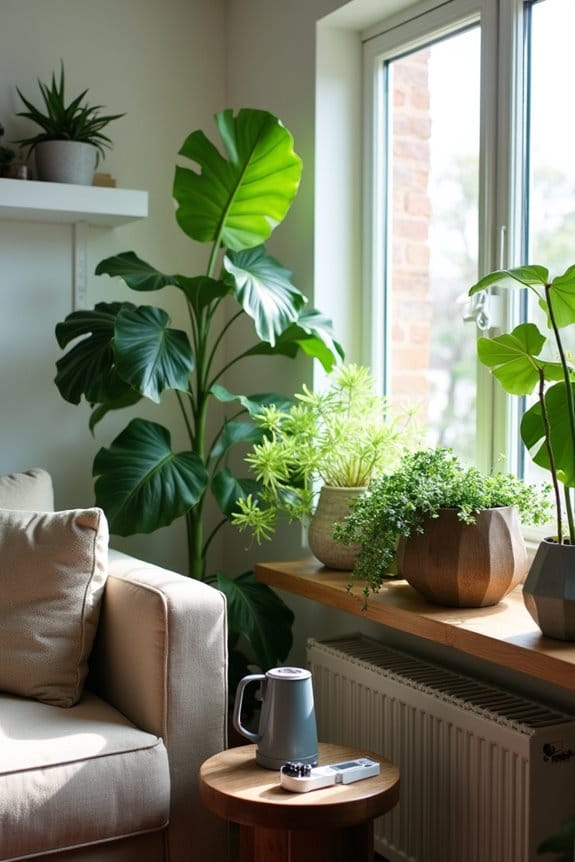
Creating a thriving plant corner requires careful attention to your green friends' unique needs in these specialized spaces. Indoor gardening success depends on understanding how corners affect plant growth and adjusting your care routine accordingly.
Here are three essential steps for maintaining plant health in your corner setup:
- Monitor soil moisture carefully, as corners can trap excess water. Use well-draining pots and check moisture levels weekly.
- Address lighting challenges by choosing plants that match your corner's light conditions. Don't hesitate to add grow lights if natural light is insufficient.
- Keep leaves clean and dust-free with regular gentle wiping. This maximizes photosynthesis and helps you spot potential pest issues early.
Remember to fertilize during growing seasons and remove any yellow or dead foliage promptly to encourage healthy new growth.
Frequently Asked Questions
How to Set up a Plant Corner?
Start with plant corner essentials: select appropriately sized planters. Assess your lighting considerations and choose plants accordingly. Layer your arrangement tips with tall and short varieties, ensuring they'll thrive in your chosen space.
What Is the Best Plant to Put in a Corner?
You'll create a jaw-dropping corner paradise with the Fiddle Leaf Fig – it's the king of best corner plants! If that's too demanding, consider low light options like ZZ plants or Peace Lilies for stunning plant aesthetics.
What Direction Should Indoor Plants Face?
You'll want to face your indoor plants toward natural light sources for ideal light exposure and plant health. Turn them regularly to maintain balanced growth and indoor aesthetics. South-facing windows offer the best positioning.
How Do I Organize My Plants at Home?
Group your plants based on their light requirements, keeping similar plant care needs together. Choose varied pot selections for visual appeal, and place taller plants behind shorter ones to create depth and interest.