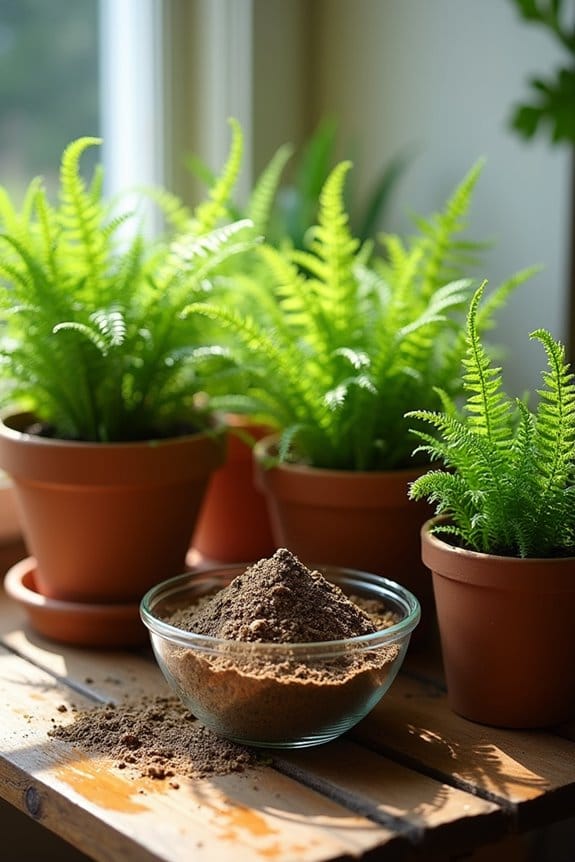

Five proven indoor plant fertilizing schedules can help your plants thrive year-round. Start with a monthly growing season plan using half-strength fertilizer 8 weeks before last frost, or choose a simple bi-weekly light feeding approach. Heavy feeders benefit from a three-month rotation, while slow-release systems work well for low maintenance. You can also follow a seasonal calendar, adjusting feeding frequency based on growth cycles. Understanding these schedules will reveal your plants' full potential.
Key Takeaways
- Feed indoor plants with half-strength fertilizer every 2-4 weeks during spring and summer growing seasons for optimal growth.
- Apply slow-release fertilizers every 3-4 months for a low-maintenance approach that provides consistent nutrients year-round.
- Implement a bi-weekly light feeding schedule with diluted balanced fertilizer from spring to early fall.
- Stop fertilizing during winter months when plants are dormant, except in frost-free environments.
- Use monthly applications of balanced 10-10-10 fertilizer for heavy feeders during peak growth from March to October.
The Essential Monthly Growing Season Schedule
You may be interested


While many indoor gardeners wait until spring is in full swing, you'll want to start your fertilizing routine in mid-March, about 8 weeks before the last expected frost. Begin with half-strength fertilizer to gently wake up plant roots and support new growth.
During the growing season (March to October), you'll need to maintain a consistent schedule. Apply liquid fertilizers every 2-4 weeks, or use granular fertilizers monthly to meet your plants' nutrient needs. For hungry plants like Marantaceae and Anthuriums, use a balanced fertilizer (10-10-10) monthly.
As summer winds down, start reducing your fertilizing houseplants schedule. Cut the amount in half and space out applications. By winter, you'll stop fertilizing completely as plants enter dormancy, except in frost-free regions where growth continues year-round.
Recommended Products
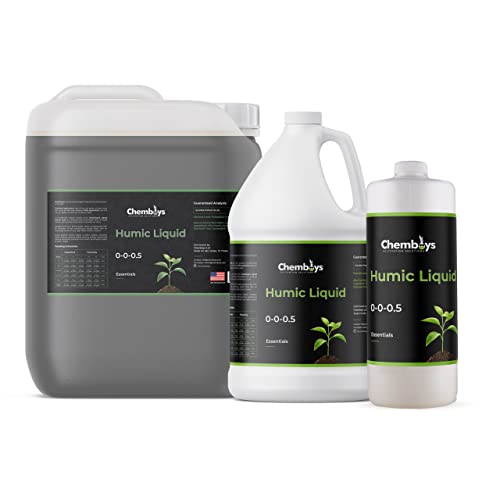
💪【 Ultimate Concentrated Humic Acid Supplement 】 – This Humic Acid blend is an all-purpose, concentrated form of organic liquid carbon derived from the purest Leonardite. This plant food enhancer allows for rapid absorption of nutrients, and helps stabilize soil pH while also increasing water retention, leading to a stronger root system and improved plant health.

ULTIMATE WATER RETENTION: These medium-sized (5-10 mesh) potassium-based granules act like a reservoir, absorbing and retaining hundreds of times their weight in water to keep your plants hydrated on demand.

Living Soil Conditioner Powered by Biology: Features over 4,000 microbial species and billions of active microbes per dose; supports the soil food web and nutrient mineralization; designed for indoor and outdoor plants. Strengthens soil ecosystems for long-term performance
Simple Bi-Weekly Light Feeder Program
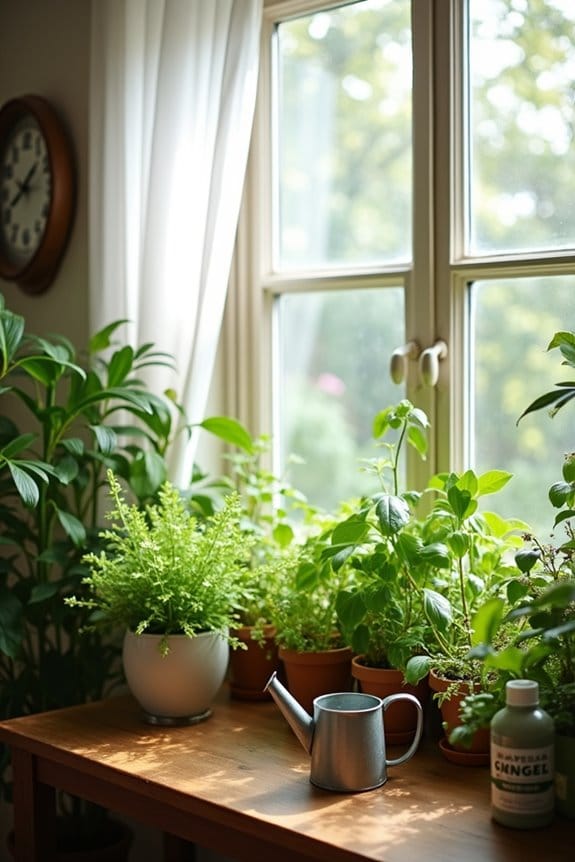
Three simple rules make fertilizing light-feeding houseplants a breeze. First, keep to a bi-weekly schedule during the active growth period from spring through early fall. Second, always dilute your balanced fertilizer to half strength to prevent nutrient burn in sensitive plants like Peace Lilies and Snake Plants.
Finally, don't skip the thorough watering after each application. This helps maintain consistent nutrient availability while preventing harmful salt buildup in the soil. As you follow this schedule, monitor your plants closely for signs they're thriving or struggling. If you notice slow growth or stress signals, you'll need to adjust either the frequency or concentration of your fertilizer. With these guidelines, you'll provide your light feeders with just the right amount of nutrients they need to flourish.
Recommended Products

Growth Booster 6-18-0: Nitrogen and Phosphate, Advanced Humic Acid Formula, Lawn Fertilizer Great for Establishing New Lawns, Sod and Seeding.

corrects calcium deficiencies in tomatoes, peppers, and vegetables to stop blossom end rot
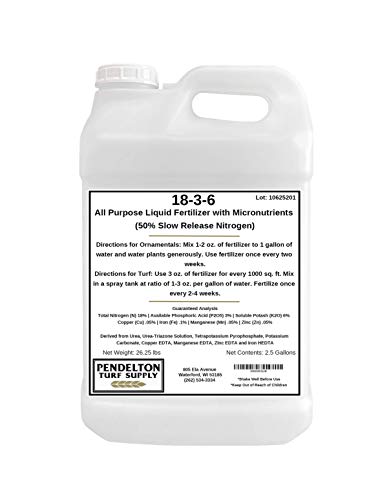
BENEFITS: All purpose fertilizer designed to be used throughout the growing season that provides readily available nutrients AND extended, long lasting nitrogen (Product contains 50% SLOW RELEASE NITROGEN (SRN))
Heavy Feeder Three-Month Rotation Plan

Heavy-feeding indoor plants operate on a completely different feeding schedule than their light-feeding cousins. If you're growing vigorous plants like Ficus, Cissus, or Strelitzia, you'll need a robust fertilization schedule during the active growing season.
Start your heavy feeders' three-month rotation by applying a balanced fertilizer with an appropriate N-P-K ratio (10-10-10 or higher) about eight weeks before spring's last frost. During peak growth from March to October, supplement with monthly feeding to support their demanding nutrient requirements. Watch for signs of nutrient deficiency, like yellowing leaves, which might signal it's time to modify your schedule.
As fall approaches, gradually reduce fertilizing frequency and amounts. Stop feeding by mid-October when your plants enter dormancy. This rotation guarantees your heavy feeders get the nutrients they need when they need them most.
Recommended Products

You will receive (10) 1.5-cubic foot bags of potting soil per purchase.

You will receive 2 bags of fertilizer per order

PHOSPHORUS-RICH - Supercharge your greens with Grow More's garden fertilizer for outdoor plants and flowers, packed with high phosphorus to strengthen roots, enhance bloom and fruit production, and boost essential processes like photosynthesis
Year-Round Slow-Release Fertilizer System
For gardeners seeking a low-maintenance fertilizing solution, slow-release fertilizers offer a "set it and forget it" approach to year-round plant nutrition. You'll only need to apply these fertilizers every three to four months, making them perfect for busy plant owners who want consistent results without frequent maintenance.
When you're setting up your year-round nutrient supply system, choose fertilizers with tailored nutrient ratios that match your plants' needs. Select higher nitrogen formulas for leafy plants or phosphorus-rich options for flowering species. You'll want to carefully follow the application rates on the label to maintain ideal plant health. The coated nutrients release gradually, preventing over-fertilization while providing steady nourishment. This system's efficiency means you can spend less time fertilizing and more time enjoying your thriving indoor garden.
Recommended Products

Nutrients are encapsulated within multiple layers of polymeric resin

Increase Your Plant Yields - Bigger buds and flowers. Brighter plants. Supercharge your garden and plants with the nutrients they need during the bloom stage. Our industry-leading fertilizer is a premium blend of microbes, biochar, mycorrhiza, and dry amendments that boosts plant growth.

Composed of water soluble nutrients - Granular formula is coated with a film of plastic resin
Seasonal Adjustment Feeding Calendar
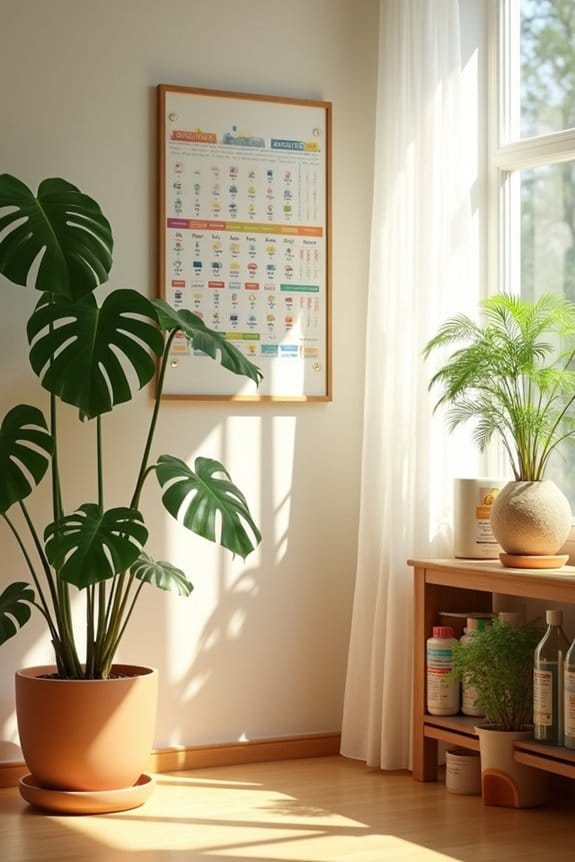
While many indoor gardeners maintain the same feeding schedule year-round, your plants actually need different nutrient amounts as the seasons change. Creating a seasonal adjustment calendar for your houseplants guarantees proper fertilization throughout their growth cycles.
Just like us, indoor plants have changing nutritional needs throughout the year. A seasonal feeding schedule ensures they thrive in every season.
Follow these seasonal fertilizing guidelines for best results:
- Spring: Begin with half-strength fertilizer 8 weeks before last frost to promote early growth
- Summer: Apply liquid fertilizers bi-weekly or use granular products monthly during active growth
- Fall: Reduce feeding by 50% about 8 weeks before first frost as plants enter dormancy
- Winter: Skip fertilization while plants are dormant (except in frost-free regions)
- Low Light Areas: Decrease fertilizing frequency to 2-3 times yearly due to slower growth rates
Adjust this schedule based on your specific growing conditions and plant varieties for ideal results.
Recommended Products
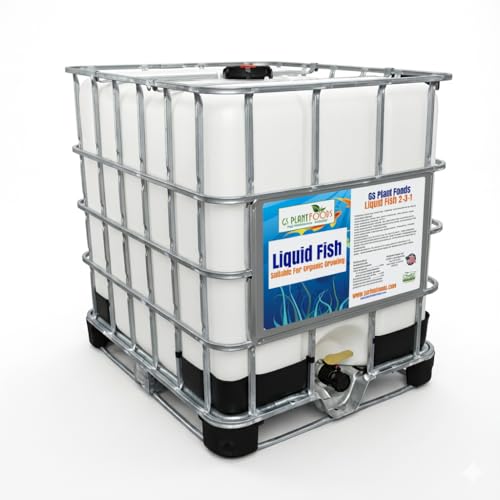
OMRI CERTIFIED Organic Materials Review Institute Listed for Organic Production Approved as GS Plant Foods Organic Liquid Fish Concentrate 2-3-1. Suitable for organic growing under OMRI and NOP standards.

ORGANIC MATERIALS REVIEW INSTITUTE LISTED FOR TRUSTED GARDEN CARE Certified by OMRI for use in organic growing, GS Plant Foods Liquid Fish & Kelp Fertilizer delivers reliable, natural nutrition for vegetables, flowers, and shrubs.

IMPROVES SOIL STRUCTURE & NUTRIENT AVAILABILITY- GS Plant Foods Humic Acid Soil Amendment supports healthy soil by enhancing cation exchange capacity and helping the root zone access existing nutrients in the soil more efficiently. Derived from high-quality Leonardite.
Frequently Asked Questions
How Often Should I Fertilize Indoor Plants?
You'll need to fertilize most indoor plants every 2-4 weeks during spring and summer growth stages, using liquid or granular fertilizers. Reduce frequency in winter, and always consider your plant species' specific nutrient requirements.
What Is the Best Light Schedule for Indoor Plants?
You'll want to provide 12-16 hours of light during growing season and 8-10 hours in winter. Adjust light intensity and duration based on your plant's specific requirements, using natural light or grow lights as needed.
What Is the Best Fertilizer for Indoor Plants?
You'll get the best results using balanced nutrient ratios like 10-10-10. Choose between organic options or synthetic choices, and consider liquid fertilizers for quick absorption or slow-release fertilizers for long-term feeding during growing seasons.
Is 10-10-10 Fertilizer Good for Indoor Plants?
You'll find 10-10-10's balanced nutrients are a friend to most indoor plants. Just remember to dilute it to half-strength and apply every 4-6 weeks during growing season to avoid overwhelming your leafy companions.