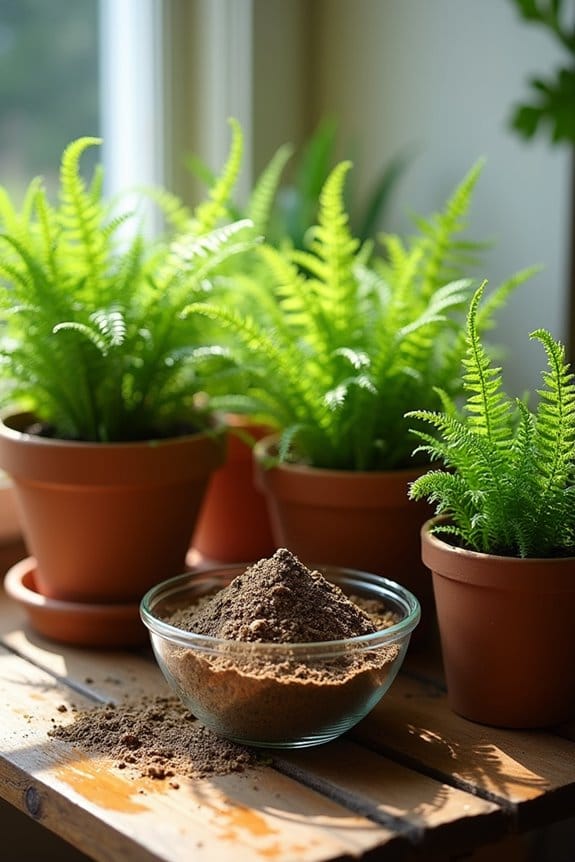
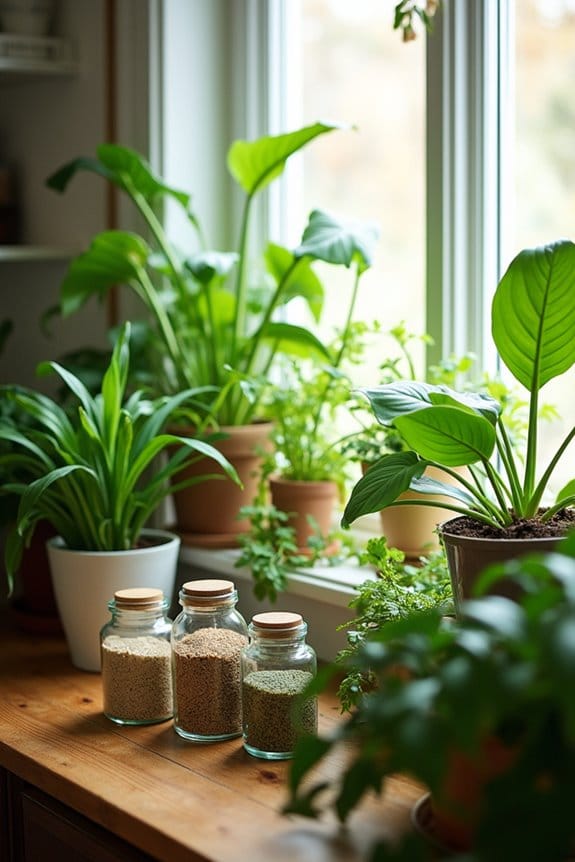
Your indoor plants need perfectly-sized pots to thrive and maintain healthy root systems. When a pot is too small, roots become cramped and can't absorb enough nutrients, while oversized containers lead to excess moisture and potential root rot. You'll know it's time to repot when roots emerge from drainage holes or soil dries quickly after watering. Choosing the right pot size – typically 1-2 inches larger than the current one – can boost growth by up to 40%. Let's explore how to select the ideal container for your green companions.
Key Takeaways
- Perfect pot sizing can increase plant growth by up to 40% through improved root development and nutrient absorption.
- Correctly sized pots prevent root rot by maintaining proper moisture levels and avoiding waterlogged soil conditions.
- Right-sized containers promote healthy root systems by preventing both overcrowding and excessive soil space.
- Proper pot dimensions ensure optimal water retention and drainage, reducing the risk of under or overwatering.
- Appropriate pot sizes help maintain plant stability and prevent top-heaviness while supporting sustainable growth patterns.
Understanding the Impact of Pot Size on Plant Health

You may be interested


When it comes to keeping your indoor plants healthy and thriving, pot size plays a crucial role that you can't afford to ignore. Your plant's root growth directly impacts its overall health, and the right pot size can boost growth by up to 40%. You'll notice significant improvements in nutrient uptake and stability when you provide adequate space for roots to expand.
Watch for signs that your plant needs a larger pot, such as roots emerging from drainage holes or soil drying out quickly. While upgrading pot size is important, don't go too big too fast. An oversized container can lead to root rot from excess moisture. Instead, follow the one-to-two-inch increase rule for smaller pots, and two-to-three inches for larger ones. This guarantees your plant maintains peak health while developing a strong root system.
Signs Your Plant Has Outgrown Its Current Pot
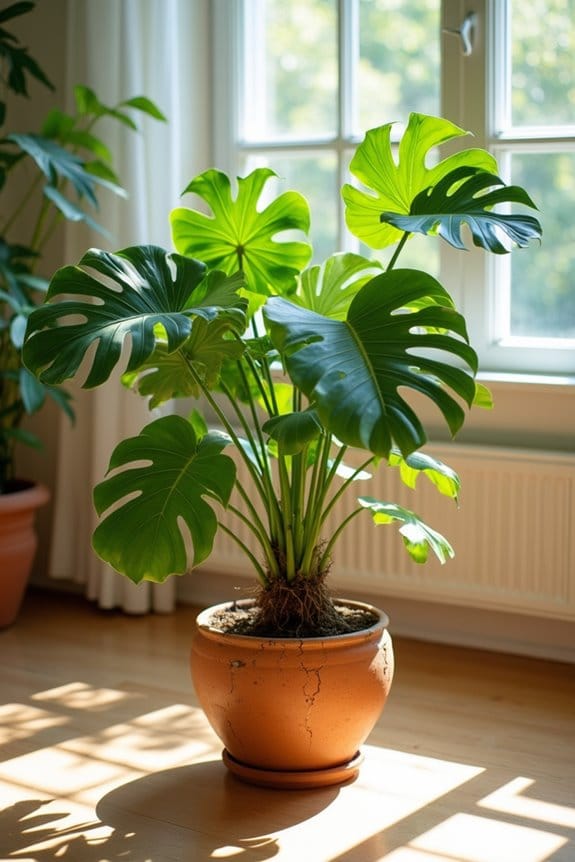
Now that you understand proper pot sizing, let's look at how to spot when your plant needs more room to grow. Your plant will show clear signals when it's time for a larger pot, and catching these signs early helps prevent stunted growth and other issues.
Plants speak through their growth patterns – learning to read these signals ensures they'll always have the space they need to thrive.
Watch for these key indicators that your plant's root system needs more space:
- Roots emerging from drainage holes at the bottom of the pot
- Soil drying out unusually quickly after watering
- Plant becoming unstable or top-heavy in its current container
- Visible circling roots when you gently remove the plant from its pot
If you notice these signs, it's time to repot. Remember, a cramped root system can't properly support your plant's growth, so don't wait too long to size up your container.
Recommended Products


CREATE ELEGANT PRIVACY & DEFINED SPACES | At an impressive 72" long and 36" tall, this extra large planter serves as a stunning architectural barrier. Use these large outdoor planters to create a natural privacy screen for your patio, line a walkway, or define a sophisticated outdoor seating area for a home or business.
Measuring Guidelines for Perfect Pot Selection
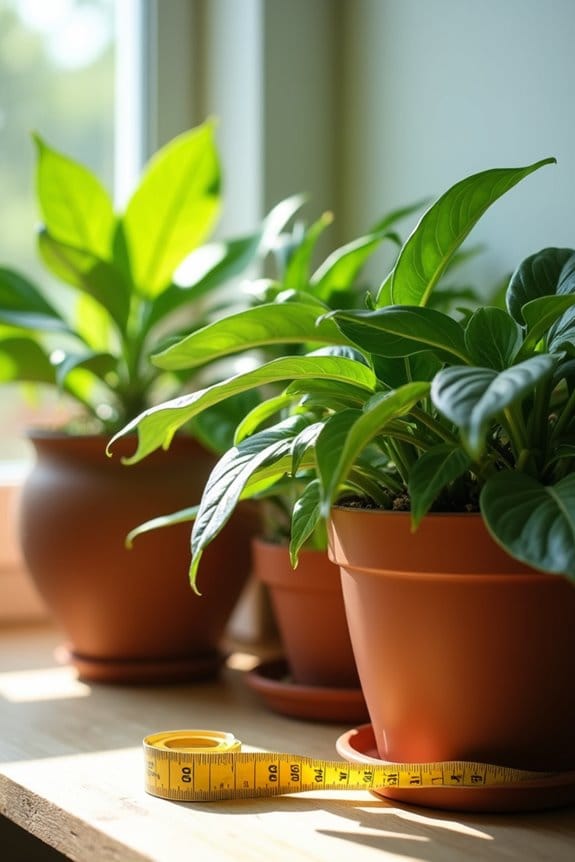
Three essential measurements will help you choose the perfect pot size for your indoor plants. First, measure the diameter of the pot your plant currently lives in. For pots under 10 inches, you'll want to size up 1-2 inches, while larger pots need 2-3 inches of extra space.
Next, check your plant's roots regularly. When you spot them emerging from drainage holes, it's time for an upgrade. A good rule is to increase the pot size by about 4 cm in diameter. Remember that a "4 plant" refers to its current 4-inch pot size, which helps you calculate the right upgrade.
Finally, regularly assess plant health by monitoring growth. If your plant seems stunted despite proper care, choosing the right pot with more space could be the solution it needs.
Recommended Products

CREATE ELEGANT PRIVACY & DEFINITION || Transform your landscape with this substantial 60-inch long outdoor planter. Its 30-inch height is expertly designed to create a lush privacy screen for patios, line walkways, or define outdoor living spaces, making it one of the most versatile large outdoor planters for modern homes.
![Dog Fence Outdoor Indoor, 47 Inches Height 08 Panels(6gates & 42panels) Dog Playpen for Large/Medium/Small Dogs Metal Dog Pen for Yard Camping and RV [Black-Silver]](https://m.media-amazon.com/images/I/31ZpzH-0W7L._SL500_.jpg)
【Rust-Proof & Durable Design】The metal dog kennel is crafted using premium thickened iron with a black, silver powder-coated finish. This advanced anti-rust treatment ensures long-lasting durability against rust, corrosion, water, and UV damage. It is perfect for both indoor and outdoor use, significantly extending the lifespan of the pet enclosure. The sturdy metal pipes offer enhanced stability, making it a reliable choice for your pet’s safety.
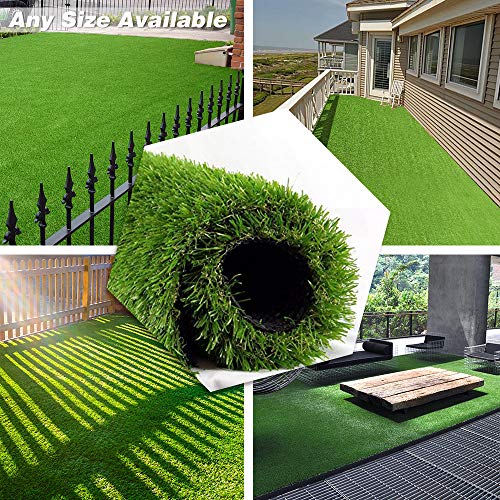
THICK & REALISTIC ARTIFICAL GRASS RUG: Grass height about 1.37” in length, 70 oz total weight per square yard, high-density artificial grass. With 4-tone color, soft and lush and the thatch looks & feels like real natural grass. Providing you with year round green and turf enjoyment, perfect for all indoor and outdoor projects.
Root Health and Container Dimensions
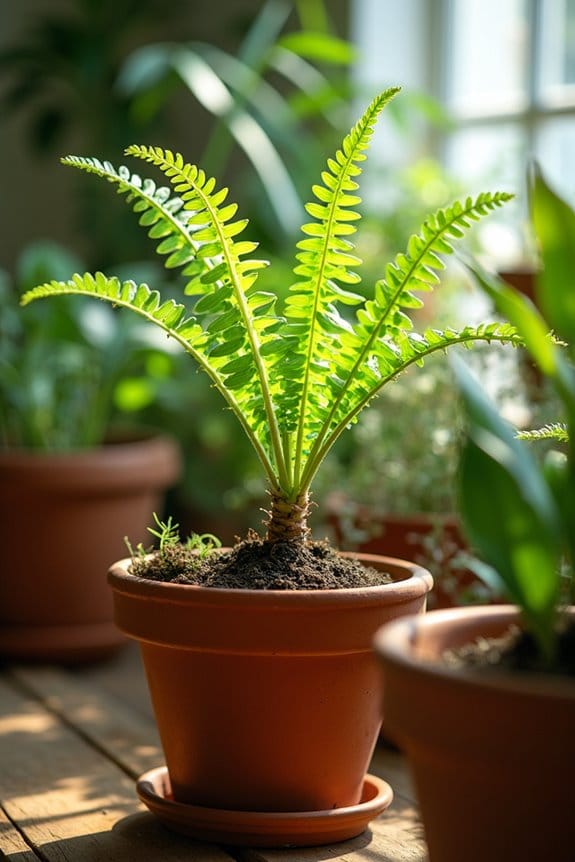
Since your plant's root health directly impacts its overall growth, choosing the right container dimensions is essential. When you select the proper pot size, you'll create favorable conditions for gas exchange and allow excess water to drain effectively.
Picture what happens to your plant's roots in different scenarios:
- A too-small pot causes roots to become tightly bound, restricting growth and nutrient absorption
- An oversized pot retains excess moisture, potentially leading to root rot
- A perfectly sized pot allows roots to spread naturally while maintaining ideal moisture levels
- As roots fill the container and emerge from drainage holes, it's time to size up
Balancing Moisture Levels in Different Pot Sizes
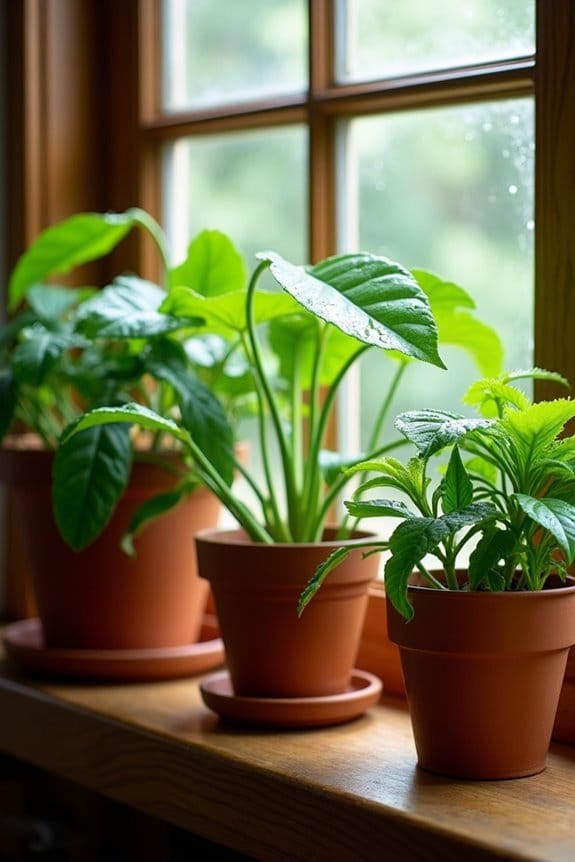
While managing moisture levels in houseplants can feel tricky, understanding how pot size affects water retention will help you master the watering balance. You'll find that larger pots hold moisture longer, which means you won't need to water as frequently. However, be careful not to oversize your containers, as this can lead to waterlogging.
If you're using a smaller pot, you'll need to monitor moisture levels more closely since they dry out faster. The perched water table, which forms at the bottom of any container, varies in height based on pot size and affects how your plant accesses water. To maintain ideal moisture levels, choose well-draining potting mixes for your containers. This is especially important in larger pots, where proper drainage helps prevent root problems while maintaining consistent moisture for your plants.
Common Mistakes When Choosing Plant Containers
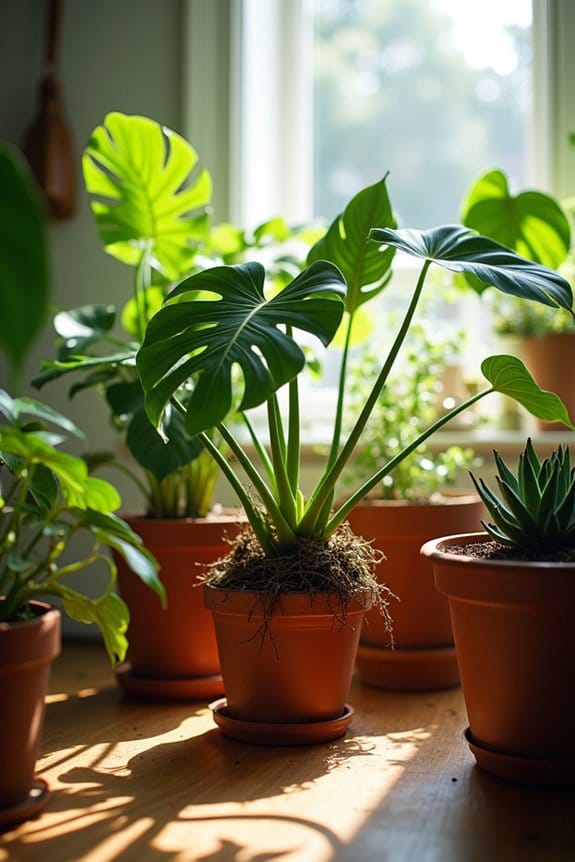
Making smart choices about plant containers isn't as simple as picking a pretty pot. Selecting the wrong pot size can lead to serious issues with plant growth and root health. When you're evaluating containers, consider both current size and future growth needs to avoid frequent repotting.
Smart container selection impacts plant survival. Choose wisely based on current needs and future growth to protect roots and prevent problems.
Here are the most common container mistakes to avoid:
- Choosing oversized pots that retain too much moisture, leading to root rot
- Using containers without proper drainage holes and forgetting to add a saucer
- Selecting pots that are too small, causing plants to become root-bound
- Not accounting for plant-specific needs, like deep pots for trees or shallow ones for succulents
Remember to size up gradually when repotting, typically going just 1-2 sizes larger than your current container. This approach supports healthy growth while maintaining ideal moisture levels.
Recommended Products

FEEDS UP TO 6 MONTHS: Miracle-Gro Potting Mix is a gardening soil for outdoor containers that feeds all types of potted plants, including flowers, vegetables, shrubs, annuals, and perennials for up to 6 months
REALISTIC NATURAL APPEARANCE: Our grass is meticulously crafted with each blade having slight variations in color, dimension, and texture, giving it an incredibly realistic and natural appearance. Your lawn will be the envy of the neighborhood, creating a picturesque landscape that stands out from the rest.

High Quality Craftsmanship: Handcrafted Stoneware Planter Built to Last.
Essential Features of an Ideal Indoor Plant Pot
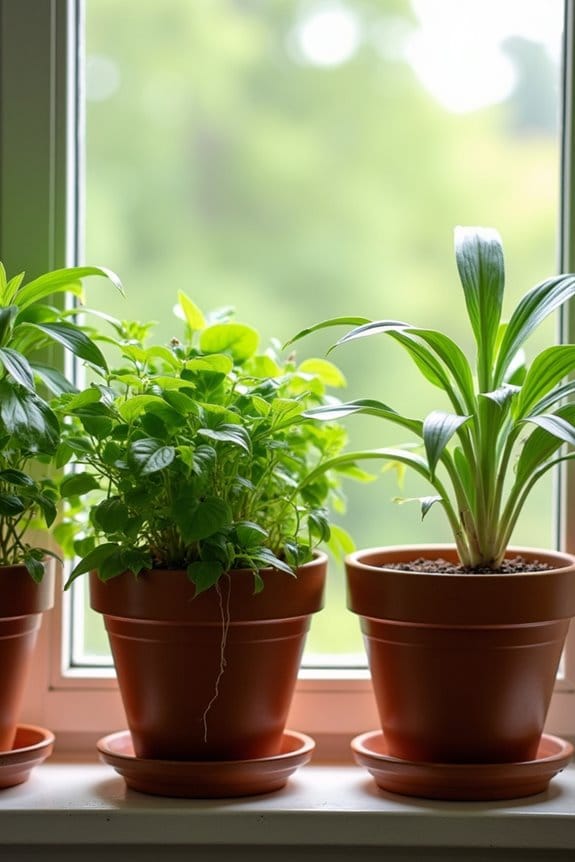
A successful indoor plant pot combines several key features that work together to support healthy growth. When selecting your pot size, make sure it's 1-2 inches wider for smaller plants or 2-3 inches larger for pots over 10 inches. Proper drainage is non-negotiable – your pot must have holes that allow excess water to escape, preventing root rot.
Your choice of pot material matters greatly. Consider terracotta for better air circulation or fiberglass if you're looking for insulation and durability. The pot's shape affects moisture retention, with wider containers maintaining better root contact. You'll know it's time for repotting when roots peek through drainage holes or soil dries quickly. Plan to repot every year or two as your plant grows, making certain it always has the space it needs to thrive.
Recommended Products

Handmade Imperial Court Design: Finished in a traditional design depicting graceful figures amidst a serene palace garden in soothing blue and white. A timeless, versatile, way to add classic beauty to your space.

Satsuma Design: Meticulously hand-painted with intricate scenes showcasing vibrant landscapes, colorful flowers, and majestic peacocks. The rich color palette and delicate gold accents celebrate the artistry and heritage of the Far East.
Satsuma Design: Meticulously hand-painted with intricate scenes showcasing vibrant landscapes, colorful flowers, and majestic peacocks. The rich color palette and delicate gold accents celebrate the artistry and heritage of the Far East.
Smart Tips for Transitioning to Larger Containers
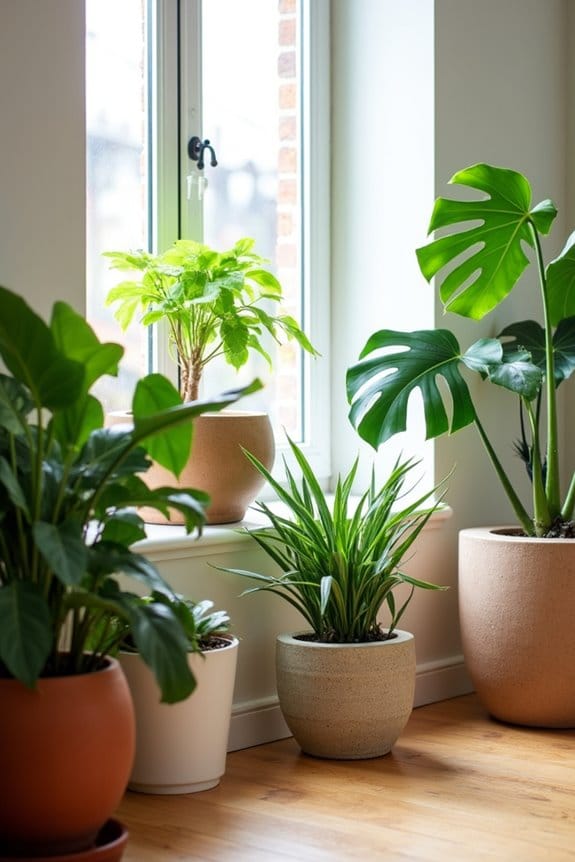
The right timing and technique make all the difference when moving your plants into bigger homes. When it comes to shifting containers, size matters more than you might think. For pots under 10 inches, go up 1-2 inches, while larger pots need 2-3 inches of extra space.
Here's your essential checklist for a successful shift:
- Check for roots emerging from drainage holes – it's a clear sign you need a new pot
- Select containers with proper drainage to prevent root rot
- Fill new pot with fresh potting mix to boost nutrient availability
- Monitor soil moisture – if it's drying quickly, it's time to size up
Remember to repot every 1-2 years to maintain healthy root growth and prevent your plants from becoming root-bound. Your plants will thrive with the right-sized container and proper care.
Recommended Products

CREATE A DRAMATIC FOCAL POINT: Make a powerful design statement with this 42 x 42 inch architectural piece. Ideal for anchoring a landscape design or flanking a grand entrance, these large outdoor planters provide a substantial, modern element that commands attention in any residential or commercial setting.

DIMENSIONS: 36" Length x 36" Width x 36" Height Cube
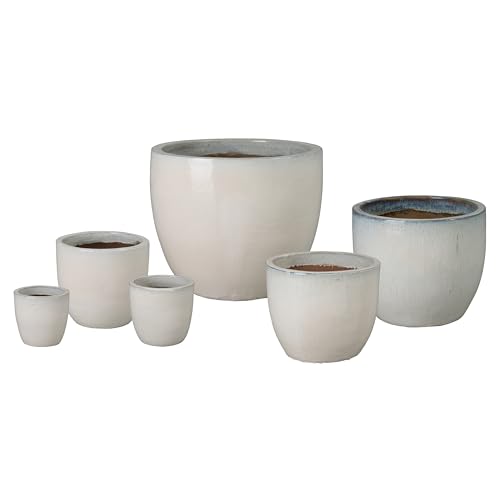
High Quality Craftsmanship: Handcrafted Stoneware Planters Built to Last.
Seasonal Considerations for Indoor Pot Sizing

Since seasonal changes greatly impact your indoor plants' growth patterns, you'll need to adjust pot sizes throughout the year to match their changing needs. Spring and summer's active growth periods often require larger pots to accommodate expanding root systems and increase moisture retention.
During winter, when many plants enter dormancy, you can often maintain them in slightly smaller containers since their growth slows considerably. However, be mindful of your home's humidity levels when selecting pot sizes. If you live in a dry climate, choose larger pots to help maintain consistent moisture. For best results, plan to repot plants during spring or early summer when they're actively growing. This timing helps them establish quickly in their new containers and reduces transplant stress. Watch for signs that your plants need more space, such as roots emerging from drainage holes.
Root Systems and Their Space Requirements
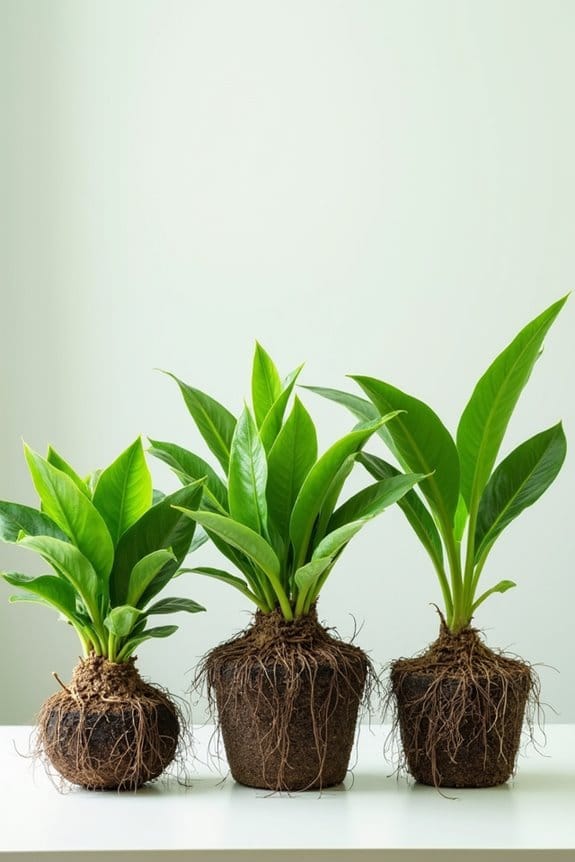
Understanding your plant's root system directly impacts its growth potential and overall health. When you choose proper pot size, you're creating an environment where roots can thrive and support ideal plant growth. Watch for signs that your plant is root-bound, as this condition can severely limit development.
Here's what healthy root systems typically look like:
- White or light-colored roots spreading evenly through the soil
- Roots that follow natural growth patterns without circling
- A balanced ratio of roots to soil, with room for expansion
- Roots that aren't emerging from drainage holes
You'll need to match pot size to your plant's specific needs. Remember that while cacti prefer snug spaces, larger indoor plants require more room for their extensive root systems. This balance prevents both root rot and nutrient deficiencies.
Frequently Asked Questions
Why Do Plants Need Bigger Pots?
Like a growing child needing new shoes, your plants require bigger pots to support healthy root growth, improve pot drainage, replenish soil nutrients, guarantee plant stability, and minimize transplant stress during their development stages.
Do Plants Do Better in Smaller Pots?
Generally, your plants won't thrive in smaller pots due to limited root growth, poor moisture retention, and restricted nutrient access. While pot drainage may be good, overall plant health suffers when roots can't expand properly.